October 03, 2026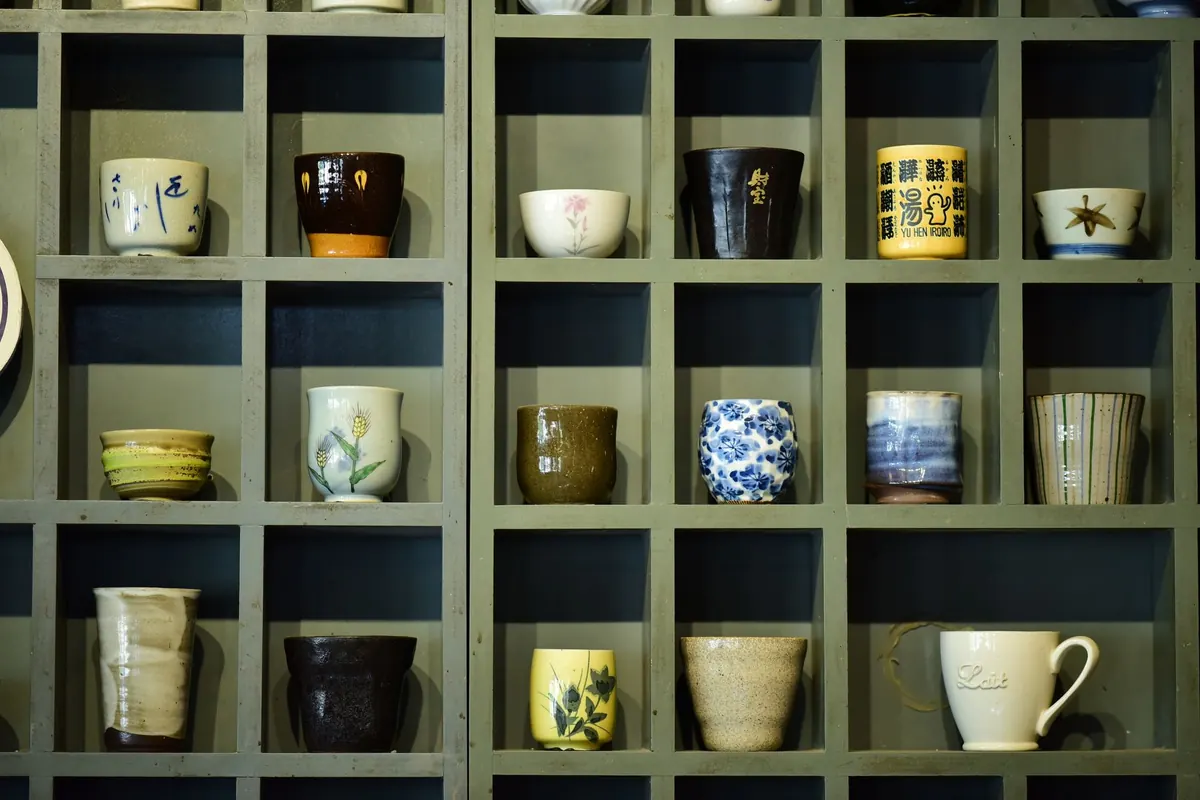
A mug from a small studio is not the same object as one from a supermarket shelf. The clay was probably wedged or poured by hand, the glaze measured and dipped, and the piece went through a kiln at least twice. All that attention leaves you with something lovely to drink from, and a set of quirks you won't find on a mass-produced dinner service.
Handmade ceramics are tough, but they are tough in particular ways. Treat them like fine china and you'll miss the point of owning them. Treat them like plastic and you'll lose a favourite bowl by Christmas. The middle ground is simple, and it costs you about ten seconds of thought each time you use them.
What Makes Handmade Ceramics Behave Differently
Two things matter most: the clay and the glaze. Stoneware and porcelain are fired high, so they are dense, hard and reasonably forgiving. Earthenware, which includes terracotta and most low-fired domestic ware, is softer, more porous and much more sensitive to sudden temperature changes.
Glaze is a thin layer of glass melted onto the clay. It expands and contracts at its own rate as a piece warms and cools. When those rates match closely, potters say the glaze fits. When they don't, you get a fine web of cracks, or a rim that starts to flake after a few years of hot tea.
That is the story behind almost all care advice: keep temperature changes gentle, keep the glaze intact, and keep knocks away from the weakest points, which are the rim of a mug and the foot of a bowl.
Washing Up: By Hand or in the Dishwasher
Most handmade mugs and bowls will survive a dishwasher. Many won't survive it for a decade. If you have the choice, hand-washing is kinder, and it takes less time than you think.
- Scrape leftovers into the bin or compost first. Tea leaves and porridge both set like cement if left overnight.
- Use warm, not hot, water with a small amount of washing-up liquid.
- Wash with a soft sponge or cloth. Scouring pads, steel wool and abrasive powders dull a glossy glaze and eventually scratch through it.
- Rinse under warm water and dry with a towel. Air-drying is fine, but standing water in the foot ring of a bowl can seep into unglazed clay.
- Deal with stains early. Tannins leave a brown haze inside mugs; a paste of bicarbonate of soda and water, left for ten minutes and rinsed, lifts most of it.
If the dishwasher is the only realistic option, use the top rack, choose a shorter cycle, and switch off heated drying if your machine allows it. Harsh powder detergents and long hot washes are hard on glazes, and any gold or lustre decoration will dull over time.
Microwaving, Serving and Thermal Shock
Not every handmade piece is microwave safe, and the pot itself won't always tell you. A few things to check before you press start:
- If the glaze has any metallic finish, such as a gold rim, silver lustre or iridescent spots, keep it out of the microwave. Metal will arc and can crack the glaze.
- If the piece is earthenware, heavy in the hand and slightly porous at the base, treat it with caution. It can heat unevenly.
- If a potter has described a dish as oven-safe, that usually means it can go into a cold oven and warm up with the food inside. It rarely means it can go from fridge to a preheated oven.
Warm the mug first
Thermal shock is the real enemy. Pour boiling water into a mug straight from a cold cupboard and you are asking a great deal of it: the inner surface expands while the outside has no idea what is happening. Half-fill the mug with hot water from the kettle, swill it, tip it out, then make your tea. The same applies to bowls. Let them reach room temperature before anything hot goes in.
Never take a bowl from the freezer and put it into a hot oven, and never place a handmade pot on a hob or under a grill. If you are defrosting a casserole in a ceramic dish, do it overnight in the fridge rather than in a warm oven.
Stacking and Storing to Protect Rims and Bases
Rims chip, feet scratch, handles catch on things. Storage is where most damage happens, and it is the easiest problem to fix.
- Put something between stacked bowls: a square of felt, a paper napkin, a thin cloth or a felt pad. Never drop one glazed bowl directly into another if both are heavy.
- Alternate mug handles, or hang your mugs. Two handles locked together and pulled apart is a classic way to lose two mugs at once.
- Keep heavy pieces low down. A big serving bowl on the top shelf is an accident waiting to happen.
- Line shelves with non-slip matting rather than leaving bare wood or wire.
- Don't stack anything on a teapot, and avoid storing ceramics in a shed or garage where frost can reach them. Water held in unglazed clay expands when it freezes.
Crazing: Cosmetic Crackle or Something to Watch
Crazing is the fine web of lines across a glaze, like cracked ice. Sometimes it is intentional; a crackle glaze is meant to look that way and is perfectly stable. Sometimes it appears over years of use, as the glaze and the clay body finally disagree with each other.
A crazed glaze is usually a cosmetic issue rather than a safety one, but it does mean the surface is no longer smooth and sealed, so it stains more easily and is harder to clean thoroughly. Wash crazed pieces properly, dry them well, and if the cracks darken, or if the glaze flakes at the rim where your lips touch, stop using that piece for food. It will make an excellent pen pot, spoon rest or plant pot with a liner inside.
A Routine That Becomes Automatic
None of this is complicated, but it does need to become a habit rather than a chore. Warm the mug before the tea. Wash by hand when you can and on the top rack when you can't. Put a cloth between stacked bowls. Once a season, hold each favourite piece up to the window and look at the glaze and the rim; retire anything that is flaking.
Handmade ceramics are made to be used. The point of a sturdy stoneware mug is that it holds heat, sits well in the hand and takes years of tea without fuss. A little care isn't about treating your pots as fragile. It is about making sure the mug you reach for every morning is still the one you reach for in five years' time.
Photo: Sóc Năng Động / Pexels