October 06, 2026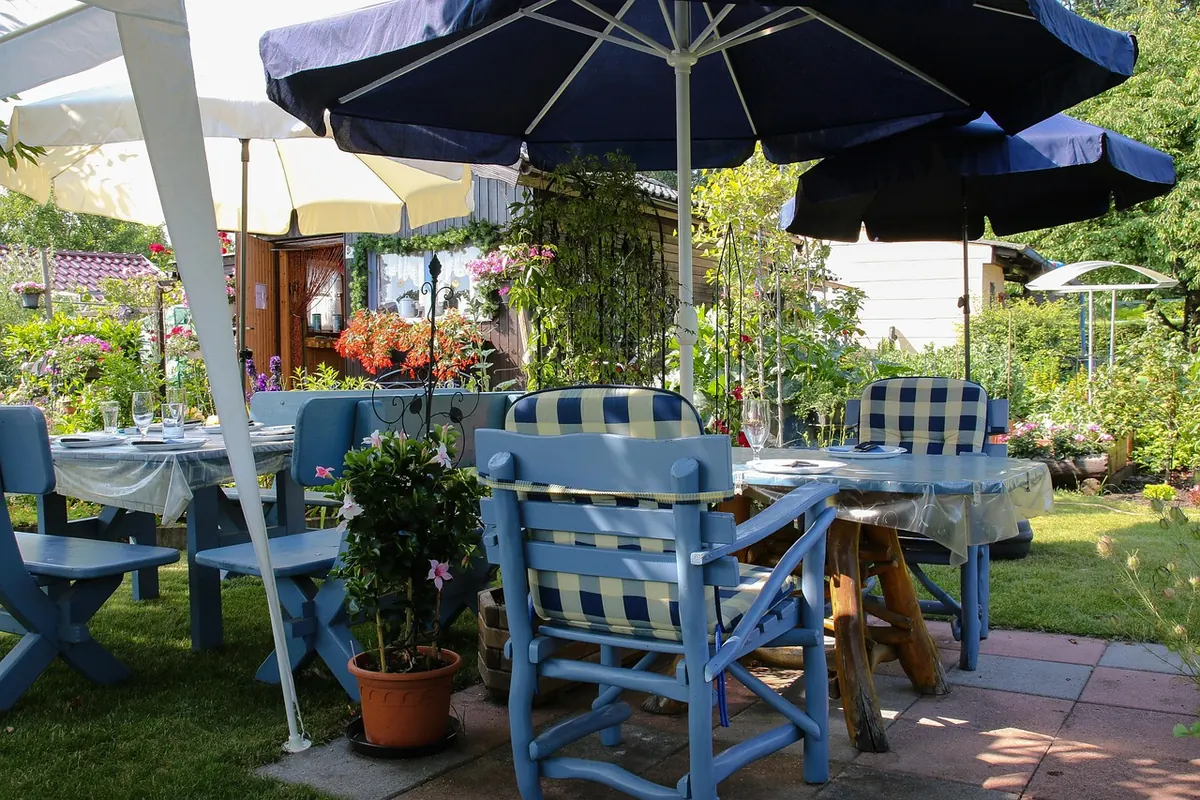
A good garden table rarely arrives in one shopping trip. It accumulates: a bowl bought at a craft fair three summers ago, a length of washed linen, a set of plates that never matched and never needed to. The skill lies in knowing what to leave off.
British weather is the other variable. You want a table that looks generous at four in the afternoon and still holds its own after a light shower, a few wasps and the second bottle of something cold. So start with texture rather than a rigid theme, and build the rest around the food.
Start With the Cloth, Not the China
Cloth does more work outdoors than any plate. A full white tablecloth in a garden is a hazard: it glares in low sun, shows every grass stain and makes everything on top of it look flat. Lay a plain cotton cloth — or a well-washed old sheet — over the table, then run a linen runner down the middle in oatmeal, faded indigo, sage or terracotta. The runner gives you a colour to work against, and it can be whisked away in seconds if the sky turns.
Let the runner overhang by roughly 20cm at each end so it reads as deliberate rather than short. If your table is old and scarred, that is a feature. Sand it lightly and oil it, or simply cover the worst of it and let the rest show.
Mix Ceramics by Feel, Not by Set
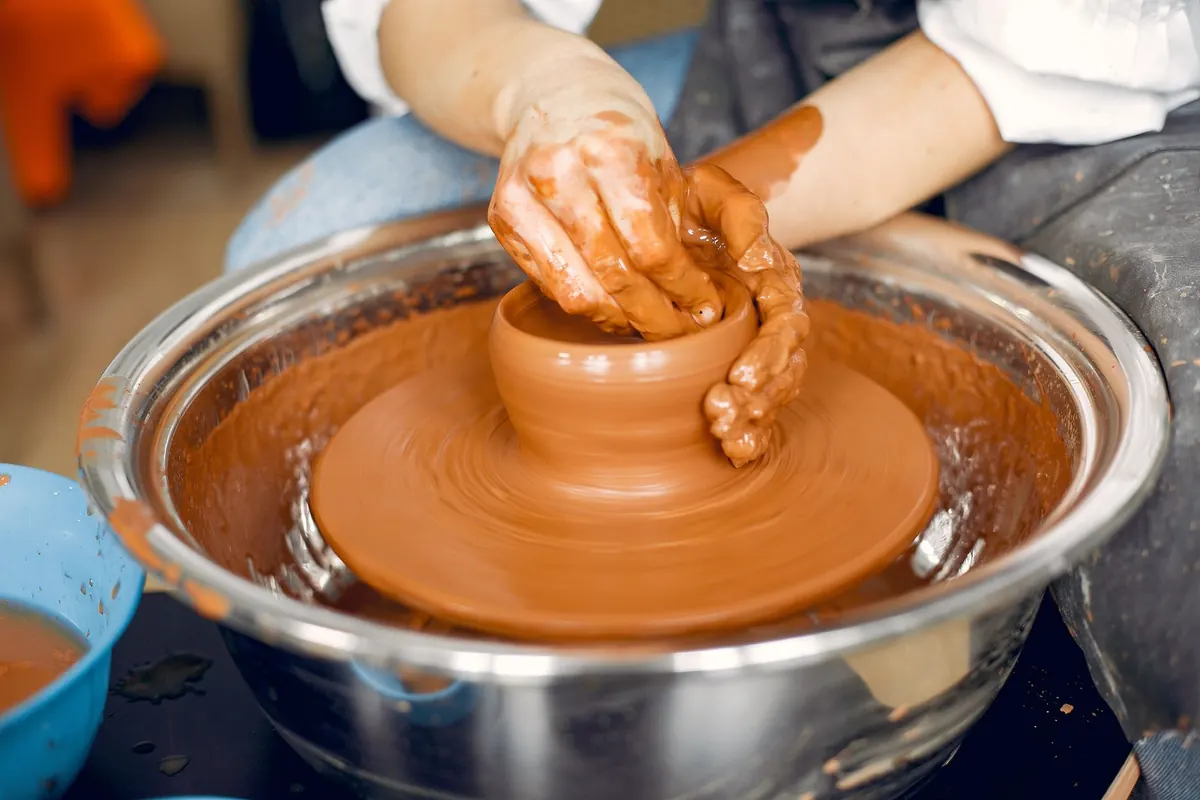
Handmade stoneware and porcelain are happiest in company. The mistake is buying a full matching service; the second mistake is throwing six different glazes together and hoping. Work to a few quiet rules instead.
- Stick to two clay tones. A warm speckled buff and a cool grey, for example, or terracotta and off-white. Three starts to look like a jumble sale.
- Repeat one glaze across the table. If your side plates are all the same speckled blue, everything else can differ.
- Vary height, not just pattern. A low bowl of olives, a taller jug, a small dish of sea salt. Flat tables look tidy but dull.
- Keep serving pieces plainer than plates. A large unglazed platter lets the food do the talking; save the drama for the small dishes.
- Check the rims. Handmade plates vary in size, so pour a little water in the bowls before guests arrive to catch any that weep.
Butter dishes, salt pigs and small spoons are the details people notice without realising why. Buy them one at a time from makers you like.
Let the Linen Look Lived In
Starched napkins have no place on a lawn. Washed linen in 40–45cm squares, folded once and laid across the plate, looks relaxed and behaves better in a breeze. Skip the ring ceremony — a loose knot, a sprig of rosemary or a simple band of torn fabric is enough.
Put a basket of spare napkins at one end of the table and let people help themselves. It saves you jumping up mid-conversation, and it looks hospitable. Creases are part of the appeal; iron the runner if you must, but leave the napkins crumpled.
Give Art Prints a Job to Do
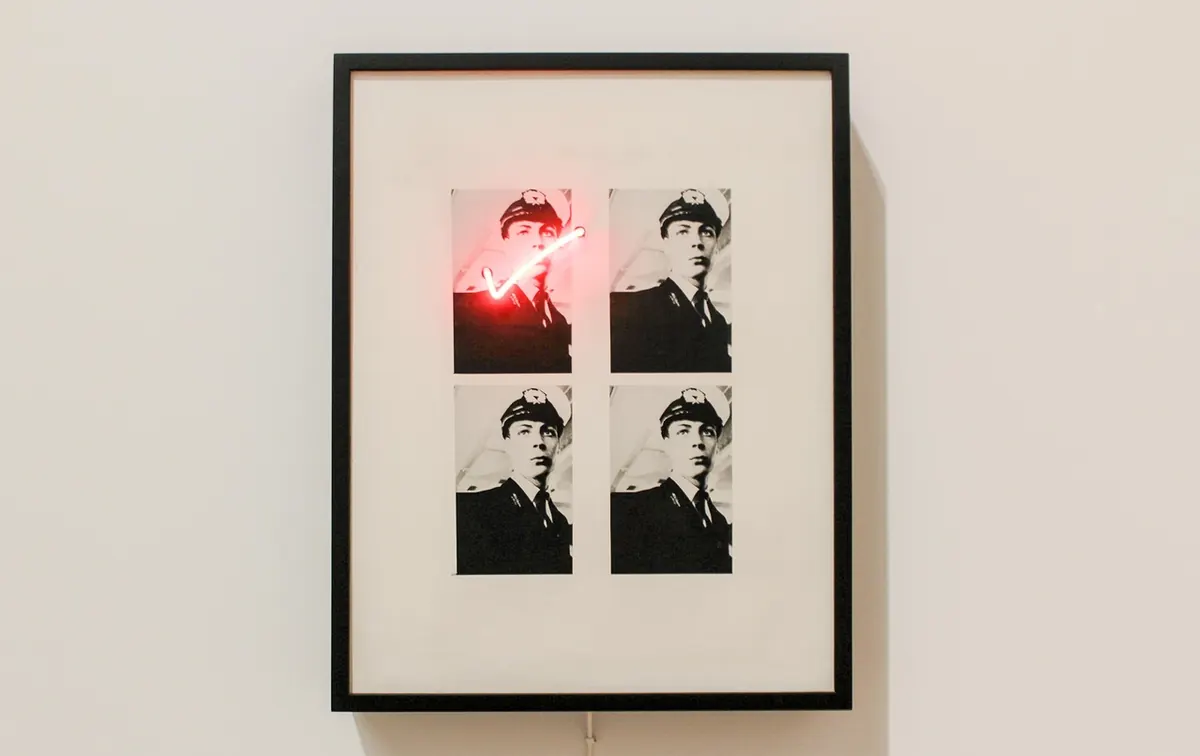
Prints work best at a garden table when they are doing something useful rather than decorating for the sake of it. A few ways to use them:
- As a menu. Write the dishes on a small print in pencil, or clip a printed card to a wooden peg and stand it behind the bread.
- On a side table or crate. Two or three small frames propped against a wall behind the table create a backdrop without cluttering the eating surface.
- As a parting gift. A small print rolled and tied with string beside each setting is a favour that does not end up in the bin.
- Under glass. A larger botanical or coastal print beneath a sheet of toughened glass makes a handsome garden table top — dry it thoroughly afterwards.
Keep the print palette close to the linen. If your plates are patterned, let the artwork be quiet; if the crockery is plain, you can afford something bolder.
Cut Flowers Low, and From Your Own Garden
Tall arrangements block the conversation, which defeats the point of the table. Keep everything below about 25cm so guests can see each other from the chin down.
If you can see the person opposite from the chin up but not the chin down, your centrepiece is too tall.
Jam jars, small jugs and old mustard pots are ideal. Cut stems short, use odd numbers, and mix in herbs — mint, thyme, flowering chives — for scent. Sweet peas, cornflowers and nigella all cope well with being cut, and picking them in the cool of the morning and standing them in deep water for an hour or two before the table is set makes a noticeable difference. A few strawberries in a shallow dish, or a bowl of cherries, does the same job as flowers and can be eaten.
Weatherproof the Whole Thing
Plan for the evening to change halfway through. Wind is more disruptive than rain, so weight anything light: stones under the runner, a heavy jug, glass rather than plastic. Sticky rims attract wasps, so wipe jam jars and drinks bottles as you go, and keep sweet things covered until pudding.
Candles are lovely from about nine o'clock, when the light goes golden, but use low lanterns or a hurricane glass rather than open flames near a breeze. Have a basket by the back door with a spare cloth, a torch, a bin bag and a light throw for whoever feels the chill first.
If rain is forecast, decide your cut-off point in advance. A table that can move indoors in ten minutes beats one that has to be abandoned.
Set It Out in This Order
Laying the table in the right sequence stops you fiddling. Cloth first, runner second, then plates, then glassware, then cutlery, then napkins, and finally the low flowers, candles and any prints. Food goes on last, in serving dishes that have already been warmed or chilled. Walk around the table once before guests sit and move anything you have to reach across a plate to grab.
Then stop. A handmade tablescape works because it looks gathered rather than staged, and the moment you start straightening forks while people are talking, the mood flattens. Pour something cold, sit down at the untidiest end, and let the table be as relaxed as the afternoon.
Photo: garten-gg / Pixabay